
The slot floor is not the whole story
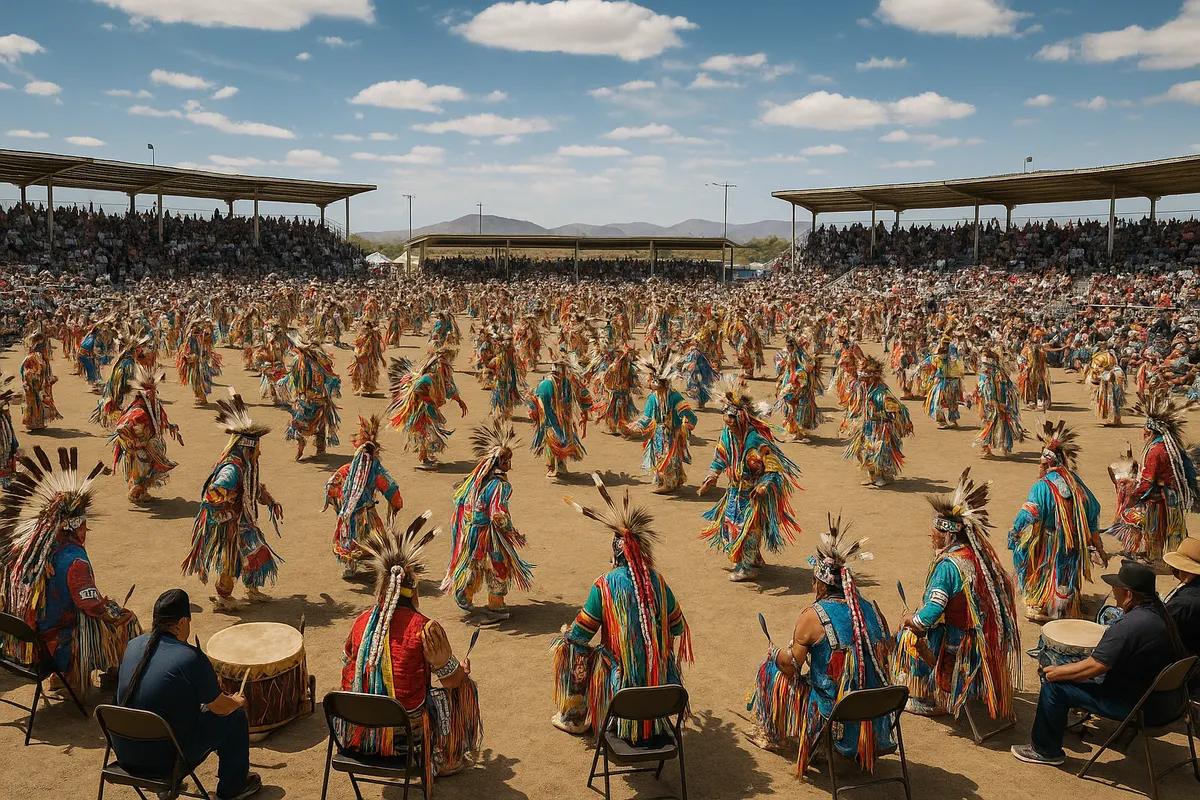
If you think a tribal casino is a box of slot machines with a buffet bolted on, the numbers from Cabazon, California should embarrass that assumption. The 35th Annual Morongo Thunder & Lightning Powwow drew more than 30,000 spectators across three days at the Morongo Casino Resort & Spa powwow grounds, with over 900 dancers and 20 drum groups travelling in from across the United States and Canada. Admission was free. Tribal casino cultural events like this one are not a side dish to the gaming operation. They are, for a lot of tribes, the point of having one.
That distinction matters more than most gaming commentary admits, and it explains a set of business decisions that look irrational if you only read balance sheets. So let’s take the common myths about Native American gaming venues one at a time and check them against what actually happened at Morongo.
The powwow by the numbers
The scale is the argument, so here it is plainly.
| Detail | Figure |
|---|---|
| Edition | 35th Annual Thunder & Lightning Powwow |
| Dates | September 25–27, opening on California Native American Day |
| Location | Morongo Casino Resort & Spa powwow grounds, Cabazon, California |
| Attendance | More than 30,000 spectators |
| Dancers | More than 900, from across the U.S. and Canada |
| Drum groups | 20 |
| Market vendors | More than 115 vendors at the Morongo Indian Market |
| Admission | Free |
Myth 1: cultural events are casino marketing in a costume
The cynical read is that a powwow is a footfall funnel. Fill the grounds, push the crowd toward the gaming floor, count the coin-in. It doesn’t survive contact with the event’s design.
A competitive powwow is a structured cultural gathering with its own rules, categories and judging. Dancers arrive in handcrafted regalia of leather, fine beadwork and feathers, and compete across dance styles drawn from tribes all over North America. The daily Grand Entry brings hundreds of dancers into the arena at once, men, women and children moving together to the drum groups and singers. Morongo also ran traditional Bird Singing and peon games belonging to the Morongo Band of Mission Indians and other Southern California tribes.
None of that is built for conversion. Bird Singing honours songs passed down through generations; peon is a hand-game tradition, not a tourist attraction. Tribal Chairman Charles Martin framed it as “renewing our commitment to our traditions and about making sure our culture, our heritage and our values continue to live on through our young people.” You do not describe a promotional campaign that way, and you do not hand thirty percent of your grounds to 115 independent vendors if the goal is to keep wallets pointed at the cage.
Myth 2: free admission means someone is losing money
Commercial casino operators price entertainment. Concert tickets, festival wristbands, VIP tiers. Morongo charged nothing to walk in, and then handed the retail opportunity to other people: the Morongo Indian Market gave more than 115 vendors a place to sell handmade baskets, beadwork, clothing, jewellery and pottery directly to a crowd of 30,000. Native food vendors sold Indian tacos and frybread.
Read that as an economic development programme rather than a promotion and it makes complete sense. The tribe supplies the land, the infrastructure, the security, the audience and the marketing reach. The margin goes to the artists and cooks. That is a deliberate transfer of value outward, and it’s the sort of thing tribal gaming revenue exists to fund.
Under the federal Indian Gaming Regulatory Act, net revenues from tribal gaming have to be directed to defined purposes: funding tribal government operations, providing for the general welfare of the tribe and its members, promoting tribal economic development, donating to charitable organisations, and helping fund operations of local government agencies. (See the National Indian Gaming Commission for the statutory framework.) A three-day cultural festival with free entry sits comfortably inside that mandate in a way that a paid-ticket EDM weekend does not.
Myth 3: it’s all the same product as a Vegas resort
Strip resorts compete on scale, brand and spectacle. A tribal property in Cabazon competes on something no competitor can license: it is the actual home of an actual community, with a governing body whose constituents live down the road. That changes what the venue is for.
The practical difference shows in the calendar. A commercial operator books entertainment that maximises revenue per available seat. A tribal operator also books events that do cultural work: language and song transmission, intertribal relationships, visibility for local artists, a reason for young members to learn dances their grandparents danced. Thirty-five consecutive years of a single powwow is a commitment no marketing department would sign off on, because marketing departments get replaced and mandates don’t.
Myth 4: none of this concerns online gambling readers
This is the myth I’d push back on hardest, because the cultural layer is exactly what shapes tribal positions on digital gaming.
Three practical implications worth holding onto:
- The value of place is real and measurable. Thirty thousand people showed up for something a phone cannot deliver. When land-based operators talk about non-gaming amenities as a defence against online competition, events like this are the strongest version of that argument, not the weakest.
- Tribal caution about online expansion isn’t just protectionism. Gaming revenue underwrites tribal government, and in many states exclusivity under compacts is what makes that revenue predictable. Any digital product that erodes land-based visitation is, in that structure, a threat to the services and programmes the revenue funds. That’s why tribal negotiators tend to treat online proposals as sovereignty and funding questions first and market-share questions second.
- Community reinvestment is a trust signal players notice. Online operators spend heavily to look trustworthy. A tribe that runs a free cultural festival for its 35th year, hosts 115 local vendors and answers to its own members has a form of credibility that no compliance badge buys.
What operators on the digital side can actually take from it
Not much of the powwow is transferable, and pretending otherwise would be the usual consultant nonsense. You cannot replicate Bird Singing in a lobby banner. What does transfer is the underlying logic: the entertainment programme exists to serve a defined community, and it is judged on whether that community shows up and comes back, not on immediate yield.
Applied honestly, that means fewer bolt-on “experiences” designed to juice deposit frequency and more sustained investment in things a player base genuinely values. It also means being clear-eyed about what gaming is. The mathematics of a casino floor do not change because the venue also hosts a powwow: every game carries a house edge, the operator wins over time, and the reason tribal gaming can fund government services is precisely that structural advantage. Play for entertainment, set deposit and time limits before you start, and use self-exclusion or cool-off tools if the fun stops. Cultural richness around the gaming floor doesn’t alter the odds on it.
Frequently asked questions
What is a powwow?
A powwow is a Native American cultural gathering built around drumming, singing and dance, often with competitive dance categories judged across styles. The Morongo event included a daily Grand Entry, traditional Bird Singing and peon games, plus a vendor market and food vendors.
How big was the 35th Annual Morongo powwow?
More than 30,000 spectators attended over September 25–27 at the Morongo Casino Resort & Spa powwow grounds in Cabazon, California, with more than 900 dancers, 20 drum groups and over 115 vendors at the Morongo Indian Market. Entry was free.
Why do tribal casinos host cultural events?
Because cultural continuity is part of what gaming revenue is meant to support. Federal law directs net tribal gaming revenues toward tribal government operations, member welfare, economic development, charitable giving and local government support. Free cultural festivals and vendor markets fit that purpose while giving local artists direct access to a large audience.